Practical, no-fluff insights on video editing, videography, web design, social media marketing, graphic design, motion graphics, UGC ads and lead generation — written from inside real client projects.
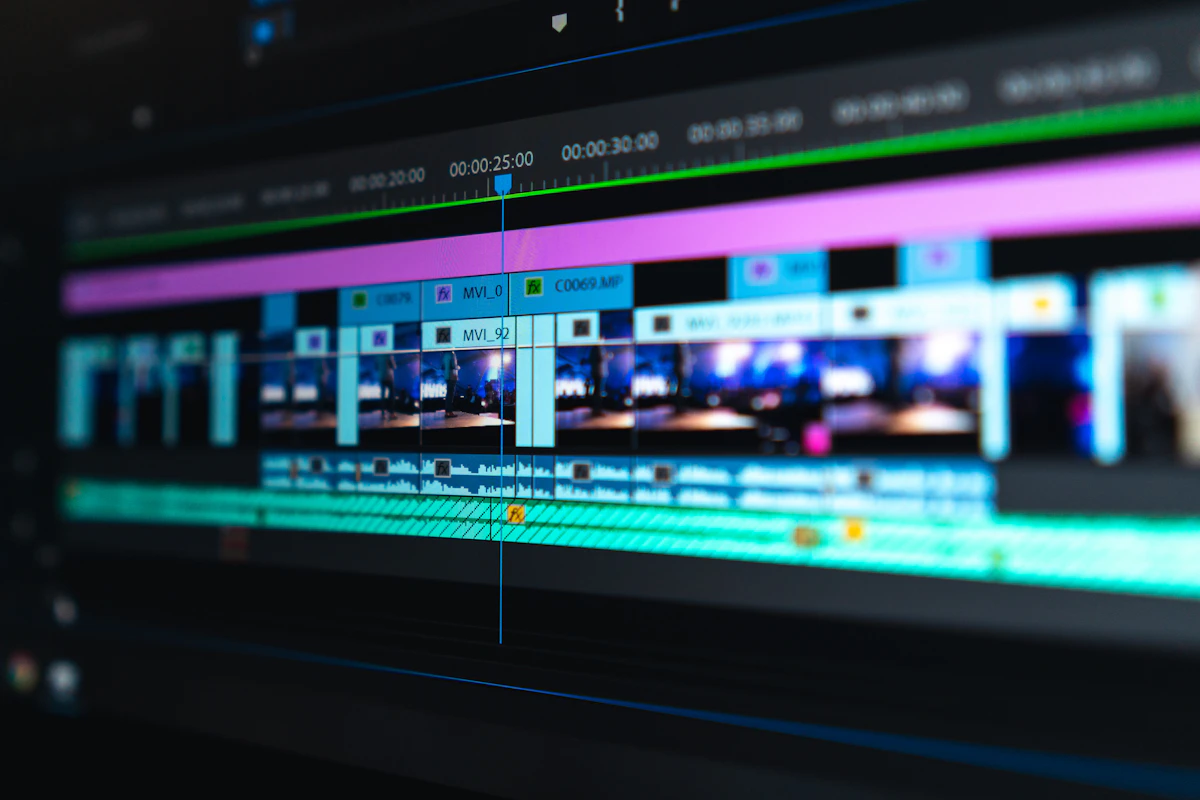
Most brands underestimate how much video editing affects viewer retention. A poorly edited video loses 60% of its audience within the first 10 seconds — not because the content is bad, but because the pacing, cuts, and sound don't hold attention. Professional video editing isn't just about making things look polished; it's about engineering every second to keep people watching, build trust, and drive action. From color grading that sets the emotional tone to sound design that makes cuts feel satisfying, every technical decision directly impacts how your audience responds to your brand.
A slow, outdated, or confusing website doesn't just cost you leads — it actively destroys trust. If your site takes more than 3 seconds to load, 53% of visitors will leave before seeing a single word. The fix isn't always a full redesign; often it's three targeted improvements: faster hosting, a clearer headline above the fold, and one obvious call-to-action on every page.
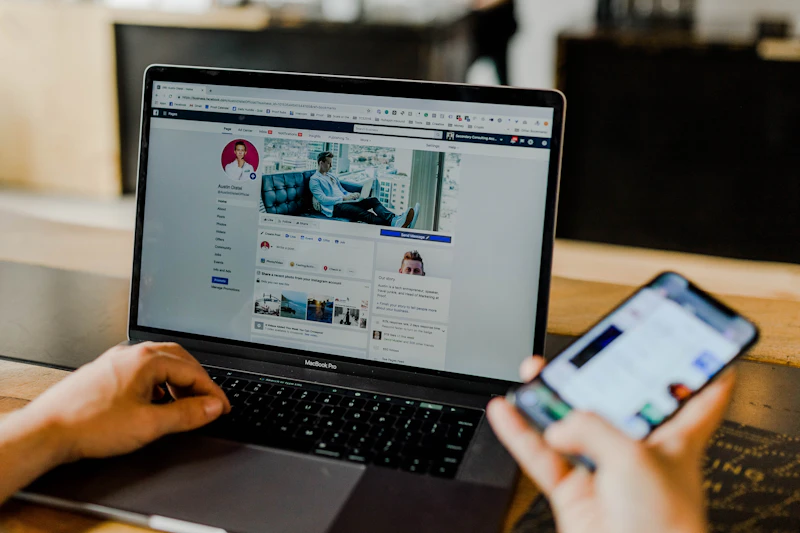
Growing a social media account from scratch isn't luck — it's a repeatable system. Brands that grow fastest post consistently (3–5 times per week), use trending audio within 48 hours of it spiking, and engage with their niche for 30 minutes a day. The algorithm rewards activity, but the audience rewards authenticity. Do both and growth compounds faster than any paid boost ever could.
People make buying decisions based on how a brand looks before they read a single word. Inconsistent fonts, clashing colors, or low-quality visuals signal "amateur" — and amateurs don't get premium prices. A cohesive brand identity (logo, color palette, typography, and templates) is the single fastest way to move from looking like a freelancer to looking like a company worth hiring.
Static content is forgettable. Motion graphics — logo reveals, animated explainers, kinetic text — create micro-moments of delight that audiences remember and share. The brands investing in motion aren't doing it to look flashy; they're doing it because animated content drives 3x more engagement than static posts on every major platform. Motion is no longer a luxury — it's a competitive advantage.
Consumers have trained themselves to scroll past polished ads. UGC-style content — shot handheld, lit naturally, delivered conversationally — bypasses that filter entirely because it looks like a friend's recommendation, not a brand pitch. D2C brands running UGC alongside traditional creative consistently see 30–60% lower cost-per-click. The era of the perfect ad is over; the era of the believable ad has begun.
Most businesses don't have a lead problem — they have a system problem. Random social posts and word-of-mouth can only take you so far. A proper lead generation system combines a targeted ad campaign, a high-converting landing page, and an automated follow-up sequence. When all three work together, leads don't trickle in occasionally — they flow in predictably, every single day, while you sleep.
People use these terms interchangeably, but they're two different skill sets. Videography is the capture — camera work, lighting, framing, audio on set. Video editing is everything after — the story, pacing, and polish. A brilliant edit can't fix badly-lit, badly-framed footage, and the best footage in the world still needs a skilled edit to become something people actually watch. Brands that hire for both, not just one, are the ones whose content consistently looks premium.
Phone footage works for casual social posts, but it starts costing you the moment your video represents your brand to a paying customer — a product launch, a testimonial, a corporate profile, an event recap. Shaky handheld shots, bad audio, and inconsistent lighting quietly signal "small operation." If your content is meant to build trust with people who don't know you yet, the camera behind it matters more than most founders realize.
The most efficient brands don't film more — they edit smarter. A single 40-minute interview or podcast episode can be cut into a long-form YouTube upload, 8–10 vertical Reels, a handful of quote graphics, and a highlight trailer, all from one shoot. The skill isn't in filming more often; it's in knowing exactly where the hooks are hiding inside footage you already have.
Most small business sites aren't losing search rankings because of some algorithm mystery — it's usually missing title tags, no meta descriptions, unoptimized images, and zero internal linking. Fixing these seven on-page basics (title tags, headings, alt text, page speed, mobile responsiveness, internal links, and a clear URL structure) typically moves the needle faster than months of guessing at "SEO tricks."
Each platform rewards different behavior. TikTok favors raw, fast trend participation. Instagram Reels favors polish and rewards accounts with an existing following. YouTube Shorts favors searchable, evergreen topics that keep working months later. The smartest move for most brands isn't picking one — it's producing one strong vertical video and adapting the caption and hook slightly for each platform's audience.
Founders obsess over the perfect logo, then use five different fonts and colors everywhere else. In reality, a logo is maybe 10% of what makes a brand feel consistent and premium. The other 90% is a defined color palette, one or two typefaces used everywhere, consistent tone of voice, and templates people on your team can actually follow without a designer on standby.
When customers don't understand how a product works, they either abandon it or email support. A well-made 60-second explainer video — placed on your homepage, onboarding email, or FAQ page — answers the same questions your support team gets asked daily, at scale, without a human repeating the same answer for the hundredth time. It's one of the highest-ROI pieces of content most companies never make.
Bad UGC briefs produce content that feels scripted and stiff — which defeats the entire purpose. Good briefs give the creator a hook, three key talking points, and a clear call-to-action, then get out of the way and let them speak in their own words. The highest-performing UGC ads follow a simple structure: problem, discovery, proof, and a natural close — not a word-for-word script read off a page.
If a stranger can't understand what you offer, who it's for, and what to do next within 5 seconds of landing on your page, you're losing leads before they even read your pitch. The highest-converting landing pages lead with the outcome the customer wants, not the process you use to deliver it — and they ask for one action, not five.
Most content burnout doesn't come from filming too much — it comes from deciding what to post every single day with no plan. Batching ideas into a monthly calendar, grouped by content pillar (education, proof, behind-the-scenes, offer), turns content creation from a daily scramble into a two-hour planning session you actually enjoy.
The wrong agency doesn't just waste your budget — it wastes months you don't get back. Before signing anything, ask to see raw client results (not just showreels), how revisions are handled, who actually does the work, and what happens if the first draft misses the mark. Agencies that answer these clearly, without dodging, are the ones worth trusting with your brand.
Corporate video pricing confuses most business owners because it isn't about "how long is the video" — it's about crew size, equipment, locations, and editing hours. A single-location testimonial shoot and a multi-day, multi-camera brand film are entirely different projects with entirely different budgets. Understanding what drives the cost helps you brief realistically and avoid surprises later.
No articles match your search. Try a different keyword or category.